The Ultimate Guide to Cosmetics Trends and Beauty Essentials
Cosmetics can make a routine feel polished, playful, or calmer before the day begins. The challenge is choice. Shelves are full of skin tints, cream blushes, brow gels, peptide lip treatments, tubing mascaras, barrier creams, and brushes that all claim to be essential.
A good beauty routine does not need to be crowded. The best one fits real life: the time available in the morning, the condition of the skin, the finish that feels comfortable, and the products that will actually be used before they expire.
This guide covers the cosmetics trends shaping beauty now, the staples worth keeping, and the simple ways to build a kit that works across Irish weather, changing seasons, and everyday routines.
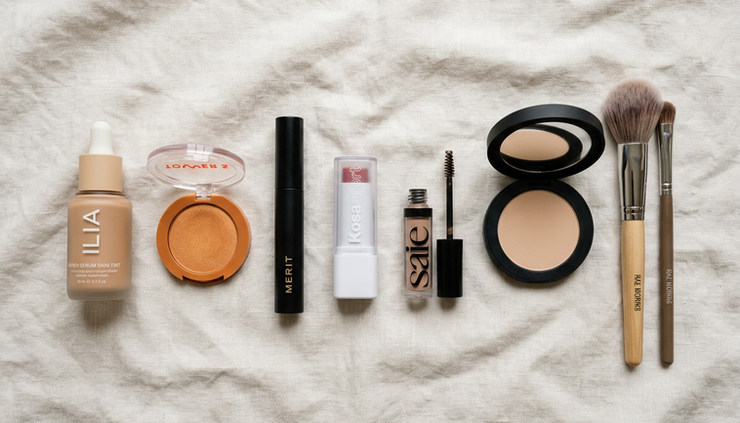
Beauty is moving towards skin-first makeup
The biggest shift in cosmetics is a move away from heavy, separate layers and towards products that work with the skin’s texture. Full glam still has its place, especially for events, but daily beauty has softened.
Skin-first makeup focuses on:
Comfortable coverage
Natural-looking radiance
Lightweight textures
Products that blend quickly
Finishes that still look like skin
This explains the rise of skin tints, tinted moisturisers, serum foundations, and concealers that cover only where needed. Instead of masking the whole face, many routines now start with a light base and targeted correction around redness, dark circles, or blemishes.
For Irish weather, this approach makes sense. Damp days, wind, central heating, and sudden temperature changes can make heavy base makeup move or cling. Lighter layers tend to wear better because they flex with the skin.
The new base routine is lighter and smarter
A modern base often needs just three steps:
Prep the skin
A simple moisturiser and SPF create a smoother surface. Give skincare a minute to settle before applying makeup.
Even the tone
Use a tint or light foundation where the skin needs balance. Blend from the centre of the face outwards.
Conceal with care
Add concealer only where extra coverage is needed. A small brush or fingertip can give more control than a large sponge.
Powder is still useful, but the placement has changed. Rather than powdering the whole face, many people now set only the areas that crease or shine, such as under the eyes, around the nose, and the centre of the forehead.
A good base should look better after ten minutes, not worse. Let cream and liquid products settle before deciding whether to add more.
Skin finish matters more than coverage level
Coverage gets most of the attention, but finish often makes the bigger difference. The same amount of coverage can look fresh, flat, dewy, or blurred depending on the formula.
Finish | Best for | Watch out for |
Dewy | Dry or dull-looking skin | Can emphasise shine in oily areas |
Satin | Most skin types | May need setting in the T-zone |
Matte | Oily skin or long days | Can look dry if the skin is not prepped |
Soft-focus | Texture and visible pores | Some formulas can pill over rich skincare |
A satin finish is often the safest everyday choice. It gives life to the skin without looking wet, and it suits both casual and dressed-up makeup.
Colour trends are softer, warmer, and easier to wear
Colour has returned to everyday beauty, but in a more wearable way. The current trend is not about sharp, complicated looks. It is about healthy warmth, soft definition, and products that can be tapped on with fingers.
Cream blush is one of the clearest examples. It blends into the base, gives the cheeks a fresh look, and can often double as lip colour. Peach, rose, terracotta, berry, and muted coral shades are especially useful because they suit a range of seasons and outfits.
Bronzer has also softened. The goal is less about carving the face and more about adding warmth where the sun would naturally hit: the temples, cheekbones, bridge of the nose, and jawline.
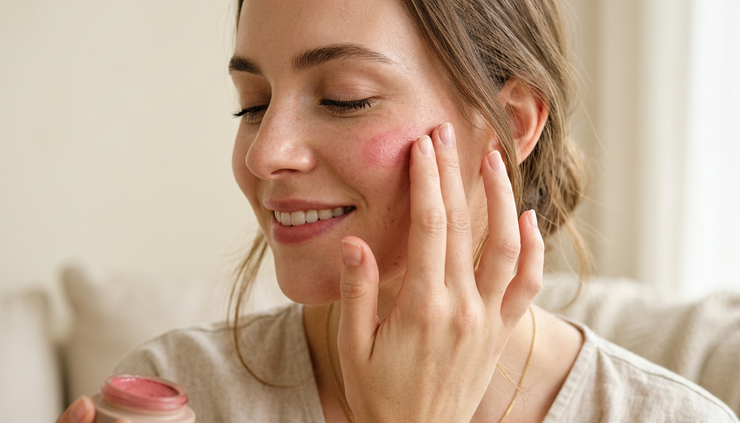
Blush placement changes the whole face
Blush is one of the fastest ways to change a look. Placement matters as much as shade.
For a lifted effect, place blush high on the cheekbones and blend towards the temples. For a softer, youthful look, tap it onto the apples of the cheeks and blend lightly outwards. For a sun-kissed effect, sweep a little across the bridge of the nose.
Powder blush still has value, especially for longer wear. Cream blush gives freshness, while powder blush can set the colour and make it last. A thin layer of each works well for events or long days.
Eyes are defined but less dramatic
Eye makeup has become more relaxed. Instead of razor-sharp liner and complex shadow, the focus is on definition that looks effortless.
Popular eye choices include:
Brown mascara instead of black for softer definition
Tubing mascara for low-smudge wear
Cream eyeshadow sticks in bronze, taupe, rose, and champagne
Soft pencil liner pressed into the lash line
Fluffy brows brushed upwards with clear or tinted gel
Tubing mascara deserves its popularity. It forms tiny tubes around the lashes and often removes with warm water, making it a strong option for people who dislike smudging. It may not give the most dramatic volume, but it suits daily wear well.
Brows are also less rigid than they were a few years ago. The blocked-out brow has given way to shape, hold, and natural fullness. A fine pencil can fill gaps, while a brow gel keeps the hairs in place.
The beauty essentials that build a useful cosmetics kit
Trends are fun, but essentials do the daily work. A good cosmetics bag should cover skin, colour, definition, and touch-ups without becoming cluttered.
The right essentials will vary, but most useful kits include:
A base product that matches the skin most of the year
A concealer that blends well and does not look heavy
A cream or powder blush
A brow product
Mascara
A lip balm or treatment
One everyday lip colour
A powder for shine control
A brush or sponge that makes application easier
This is enough for a complete face in minutes. Extra products can be added for special occasions, but they should not make the everyday routine harder.
Choose base products in real light
Base makeup is the easiest category to get wrong. Shop lighting can distort undertones, and online swatches rarely tell the full story. When possible, test foundation or tint on the jawline, then check it in daylight.
A good match should disappear into the skin rather than sitting as a stripe. If the face and neck are different tones, aim for a shade that gently connects them.
Undertone helps too:
Cool undertones often suit pink or neutral base shades
Warm undertones often suit golden or olive base shades
Neutral undertones sit between the two
Olive undertones may need shades that look slightly green or muted in the bottle
If a foundation looks orange, it is likely too warm. If it looks grey or chalky, it may be too cool or too light.
Keep lip products practical
Lip trends move quickly, but the most useful lip products are simple. A comfortable balm, a flattering everyday shade, and one stronger colour can cover most needs.
Gloss has returned, but modern formulas are usually less sticky than older versions. Lip oils are popular because they give shine with a softer feel. Lip liner is also back in everyday routines, not for harsh outlines, but for shaping the lips and helping colour last.
For an easy polished look, choose a liner close to the natural lip colour and blend it inwards before adding balm, gloss, or lipstick.

Tools do not need to be complicated
Good tools make average products perform better. They do not need to be expensive or numerous.
A simple set might include:
A fluffy brush for powder or bronzer
A smaller brush for blush
A flat or tapered brush for concealer
A sponge for blending base
A clean spoolie for brows
Fingers are also excellent tools for cream products. The warmth of the hand helps melt cream blush, highlighter, and eyeshadow into the skin. Just wash hands first, especially when touching the eye area.
Clean tools matter. Brushes and sponges collect product, oil, and bacteria over time. A quick weekly wash with gentle soap helps products apply more smoothly and supports better skin hygiene.
Ingredient-led beauty is shaping what people buy
Cosmetics and skincare are now closely linked. Many makeup products include familiar skincare ingredients, such as hyaluronic acid, niacinamide, ceramides, squalane, and peptides. These ingredients can improve how a product feels on the skin, though makeup should not replace a proper skincare routine.
This trend has made shoppers more ingredient-aware. People are checking whether a product is fragrance-free, non-comedogenic, alcohol-free, vegan, cruelty-free, refillable, or suitable for sensitive skin.
Some of those terms are regulated differently depending on where the product is sold. Others can be used more loosely. Claims are helpful, but the ingredient list and how the product performs on the skin matter more.
Fragrance is personal
Fragrance in cosmetics divides opinion. Some people enjoy the sensory feel of a lightly scented product. Others find fragrance irritating, especially around the eyes or on reactive skin.
If skin often stings, flushes, or breaks out after trying new products, fragrance-free makeup may be a sensible choice. Patch testing behind the ear or along the jaw for a day can help reduce the risk of a visible reaction.
This content is for general information only. For persistent irritation, acne, dermatitis, or allergic reactions, a GP, pharmacist, or dermatologist can give proper advice.
SPF makeup is not enough on its own
Many foundations, powders, and tinted moisturisers contain SPF. That can be useful, but most people do not apply enough makeup to get the stated level of protection. A separate broad-spectrum sunscreen remains the better base step for daytime.
Think of SPF in makeup as a bonus, not the main protection. Apply sunscreen first, let it settle, then add makeup. For long days outdoors, reapplication matters, especially during brighter months or holidays.
Sustainable choices are becoming part of beauty routines
Sustainability is no longer a niche concern in cosmetics. More people are looking at packaging, refills, product size, and how often they throw barely used items away.
The most sustainable product is often the one that gets finished. Buying fewer, better-suited products can reduce waste more than chasing every new launch.
Helpful habits include:
Finishing one mascara before opening another
Choosing refillable packaging when the formula is genuinely loved
Buying minis only for travel or testing, not as clutter
Avoiding duplicate shades that serve the same purpose
Checking expiry symbols and smell changes before use
Mascara and liquid eyeliner should be replaced more often than powder products because they come close to the eyes and dry out faster. Powders usually last longer if kept clean and dry. Creams and liquids should be checked for changes in smell, texture, or separation.
A capsule beauty bag keeps decisions easy
A capsule beauty bag follows the same idea as a capsule wardrobe. Each item has a role, and most products work together.
A strong capsule kit might include:
Product | Everyday role |
Skin tint | Evens tone without heaviness |
Concealer | Covers specific areas |
Cream blush | Adds fresh colour |
Bronzer | Gives warmth and shape |
Brow gel | Frames the face quickly |
Mascara | Defines the eyes |
Lip balm | Keeps lips comfortable |
Tinted lip product | Adds polish in seconds |
Setting powder | Controls shine where needed |
Once the basics are right, trend products become easier to judge. A metallic liner, violet blush, glossy highlighter, or deep red lipstick can be a fun addition, not another unused item at the bottom of a drawer.
How to make trends work without overbuying
The best way to enjoy cosmetics trends is to test them in small, realistic ways. A trend should fit into life, not demand a full new routine.
Before buying, ask three questions:
Does this suit products already owned?
A new blush is more useful if it works with the usual base and lip shades.
Comments